Almost the entire world population is affected by Covid-19. We cannot really predict the future of businesses in the post-Covid-19 era, but it is not hard to say that digital transformation and digital content will be at the center of the “new normal”.
The crisis caused by Covid-19 disrupted the status quo in many traditional businesses and increased the importance and urgency of adopting digital services. As a result of this crisis, technology has become an even more critical tool for how many companies approach demand and cope with new demands. During this period, companies began exploring new digital tools and adapting them to their own ways of working. In the long term, this approach can put companies in a better position to increase productivity and adapt to digital transformation. In the short term, however, companies that delay or ignore digital transformation will inevitably struggle.
As mobility restrictions and remote working practices continue in business life, we rely on technology more than ever to ensure business continuity. Technology is no longer just about achieving more efficiency and making businesses more agile; it is also about making businesses more flexible and less dependent on physical locations and geographies. Because of the global pandemic, remote work has gone from being an exception to being the “new normal”.
As everyone adapts to the “new normal”, people prefer to work from home fully or from time to time instead of being in the office every day. In such a working environment, information and documents are shared between employees, suppliers and customers mostly by email.
Many business processes involve several steps, such as reviews and approvals, along with the use of related information and documents. When working remotely, processes and content sharing tools that were generally designed for use inside the business fall short of meeting business needs. To adapt to the “new normal” and ensure business continuity in a changing business world, making processes and content work across physical locations and geographies just as they do within the same business is no longer a goal for the future but a mandatory need that must be met today.
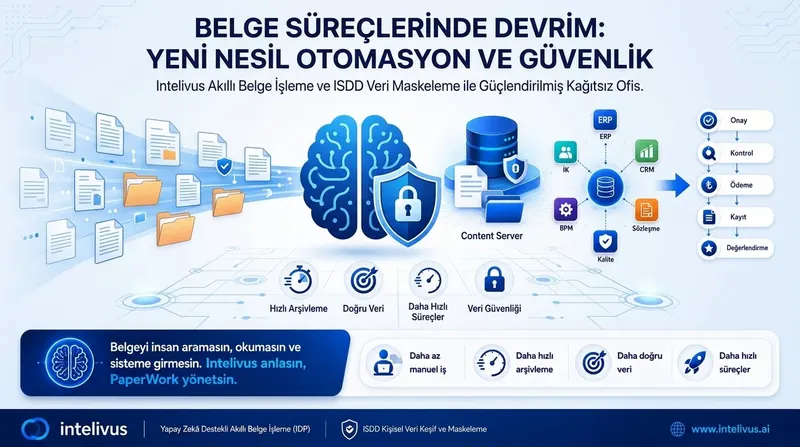
The next stage is not to settle for meeting this mandatory need, but to automate work such as reviews and approvals as much as possible by making the tasks users perform in workflows ‘smarter’. For example, using business rules and artificial intelligence/machine learning (AI/ML), content (invoices, purchase orders, contracts, etc.) can be evaluated automatically in workflows, reducing errors in review and approval work and increasing processing speed. By automating review, classification and records management as much as possible through automatic classification, business rules and artificial intelligence/machine learning (AI/ML), important review and approval processes can continue to run effectively while working remotely.
Every business should use this period as an opportunity to shape a new, more digital way of doing business that makes it more flexible. For those embracing digital transformation, this period is a journey of learning to use new tools and processes and, perhaps more importantly, an era of adapting to the remote work paradigm.
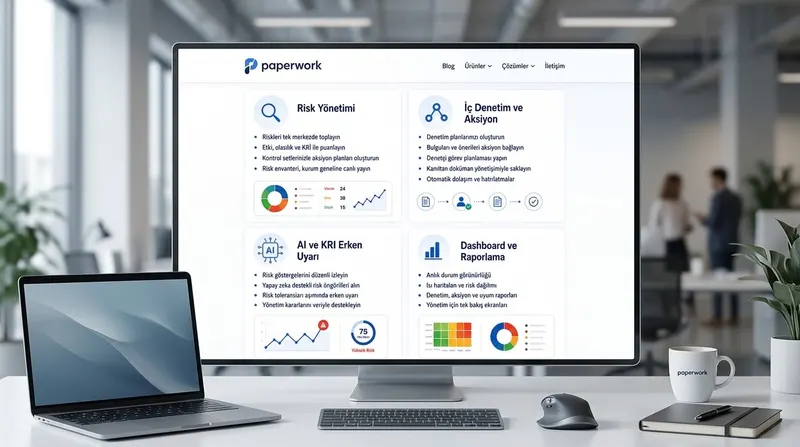
Involving your employees and customers in your processes, staying in touch with them, delivering the right content to them in the right format and giving them a better experience are at the center of digital transformation. Using Intelligent Business Process and Content Management software will help companies adopt the latest digital process trends and adapt to new ways of working and learning in these unprecedented times.
If your company has invested in documenting, analyzing, running and monitoring your business processes over the last few years, you can quickly bring about the change you need by using Intelligent Business Process and Content Management software.
Sources
https://dergipark.org.tr/tr/pub/nisantasisbd/article/1459265
https://dergipark.org.tr/tr/pub/beyder/article/1163107
https://www.microsoft.com/insidetrack/blog/digitally-transforming-microsoft-our-it-journey/
Would you like to see PaperWork in your organization?
Request a Demo