Drive Change in Your Organization and Take a Big Leap in Efficiency
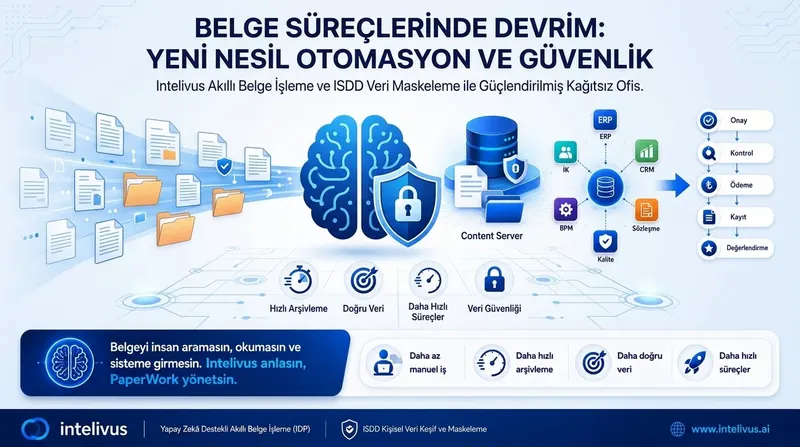
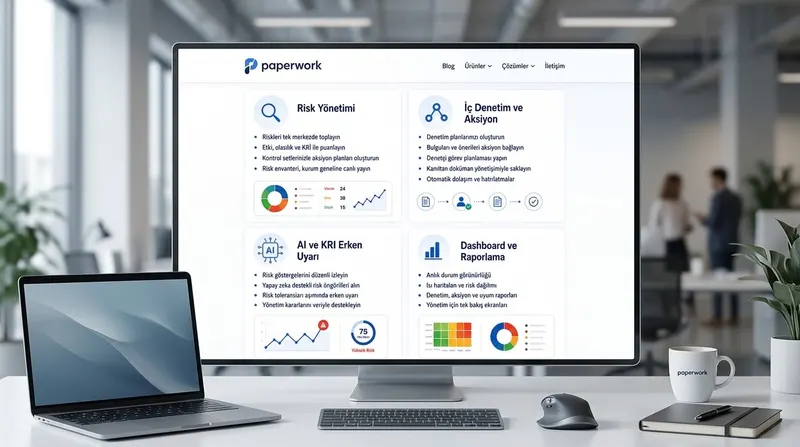
ERP (Enterprise Resource Planning) transformation is a critical step toward increasing a company's efficiency and productivity. The process includes planning, implementation and continuous improvement phases. PaperWork BPM plays an important role, especially in automating business processes and optimizing data flow. It plays an important role in increasing the efficiency of ERP systems
Defining Goals and Scope
The first step in your ERP transformation is to clearly define your goals and the scope of the project. This includes the project's purpose, expected outcomes and budget. You should also focus on the non-technical factors that matter for your transformation, such as stakeholder alignment and defining strategic goals. This phase lays the foundations for the project's success.
Process Mining and Variance Analysis
Process mining helps you understand your current business processes in depth and identify potential areas for improvement. By comparing your current state with the end state you aim to reach through the transformation, this step reveals significant differences in processes and opportunities for improvement.
Shaping Plans and Reviewing Goals
In this phase, you create a feedback loop with the information gathered in the first two steps. By holding a planning workshop with various stakeholders, you reach consensus on how processes will be improved and how they will work in the new system.
Defining and Approving New Processes
After the planning and design phases, you need to define the new processes and agree on the system customizations they require. This step also includes creating test scenarios and test cases.
Implementation and Testing
Implementing and testing the new systems is one of the most critical parts of the transformation. In this step, new processes and system configurations go live and are validated through comprehensive testing.
Training and Coaching
Training end users on the new system and processes is vital to the project's success. This step helps users get comfortable with the new system and adapt to the change.
Review and Improvement
In the final step, the performance of the new system is reviewed and opportunities for continuous improvement are evaluated. This ensures the organization keeps improving and gets the maximum benefit from its ERP system.
Where needed, PaperWork BPM working integrated with the ERP system allows business processes to be managed more efficiently and effectively. This integration improves data flow, speeds up decision-making and increases the organization's overall performance.
ERP transformation can be a challenging journey, but with the right planning and implementation it delivers significant benefits for your organization.
Sources
https://www.ibm.com/think/topics/enterprise-resource-planning
https://www.ibm.com/think/topics/business-process-management
https://dergipark.org.tr/tr/pub/aurum/article/1105039
Would you like to see PaperWork in your organization?
Request a Demo