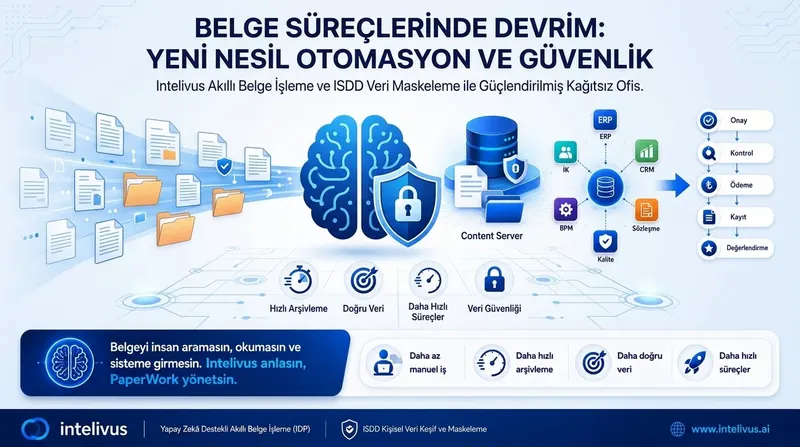
BPM (Business Process Management) applications automate processes to increase businesses' operational efficiency. By managing workflows, assigning tasks, integrating data and offering reporting and analytics capabilities, these applications help companies work more efficiently, faster and with fewer errors.
ERP Integration: BPM applications integrate easily with ERP applications. By taking workflows off the ERP, BPM applications bring speed and efficiency to businesses. They make ERP implementations easier and leaner
Document Management: BPM applications automate document management processes. By converting paper-based processes to digital, documents are created, managed and shared more effectively. These applications enable documents to be created digitally and document content to be generated automatically from predefined templates. They also ensure documents are routed to the right people and automatically included in approval processes when needed.
Workflow Management: BPM applications manage workflows by automating business processes. Business processes are built by defining tasks or activities that must be carried out in a specific order. These applications automatically assign tasks to specific people or teams, track progress, send notifications and manage issues when needed. When business processes are managed automatically, errors decrease, efficiency increases and process completion times get shorter.
Task Management: BPM applications automate approval processes. A company may have many approval processes, such as purchase approvals, leave requests or budget approvals. By automating these approval processes, BPM applications ensure requests are routed to the right people, reminders are sent when needed and the approval process is traceable. As a result, approvals are completed faster and more effectively, uncertainty decreases and the flow of business processes is streamlined.
Approval Processes: BPM applications automate data integration and enable data to flow between different systems. A company may have many different data sources, and this data may need to be integrated accurately. By automating data integration, BPM applications make data exchange and synchronization easier. This ensures data consistency across processes, reduces manual errors and makes processes run more efficiently.
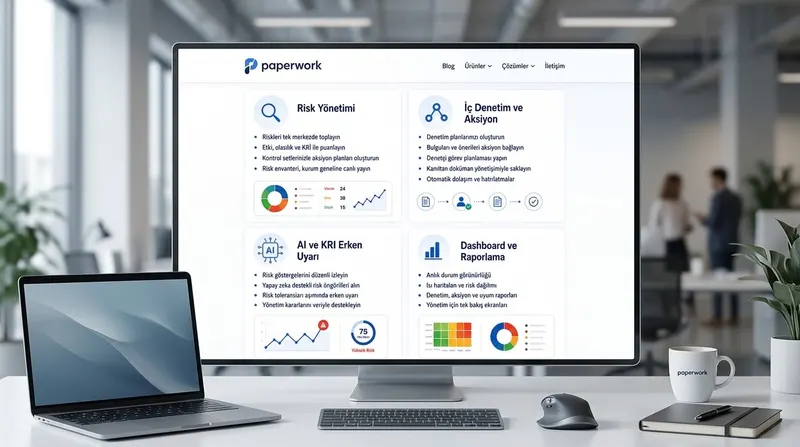
Data Integration: BPM applications also offer reporting and analytics capabilities. They collect and analyze data that matters to the business and generate reports. These applications provide analytics tools to monitor the performance of business processes, make improvements and use data for future decisions. With reporting and analytics capabilities, businesses can optimize their processes, increase efficiency and gain a competitive advantage.
RPA Integration: Combining RPA and BPM enables businesses to adopt a more comprehensive approach to process automation and management. While RPA provides task-based automation that increases operational efficiency and reduces errors, BPM improves the overall performance of processes by designing, managing and analyzing business processes. This combination lets businesses automate repetitive, time-consuming tasks while ensuring process integrity and optimization. By also combining capabilities such as data integration and reporting, it gives businesses broader visibility and analysis.
Native Mobile App: A mobile app is important and beneficial in BPM solutions. This kind of mobile app makes it easier to access business process management and automation from mobile devices and gives businesses a range of advantages
By using technology, BPM applications give businesses the opportunity to make their operational processes more efficient, flexible and optimized. Automation speeds up business processes, reduces errors and ensures resources are used efficiently. It also helps companies increase customer satisfaction, gain a competitive advantage and continuously improve.
Sources
https://camunda.com/blog/2024/04/what-is-business-process-management/
https://www.ibm.com/think/topics/workflow
https://www.ibm.com/think/topics/workflow-automation
Would you like to see PaperWork in your organization?
Request a Demo