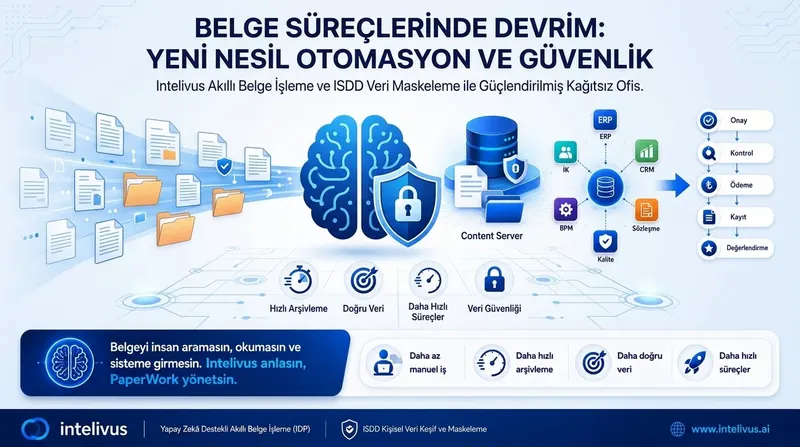
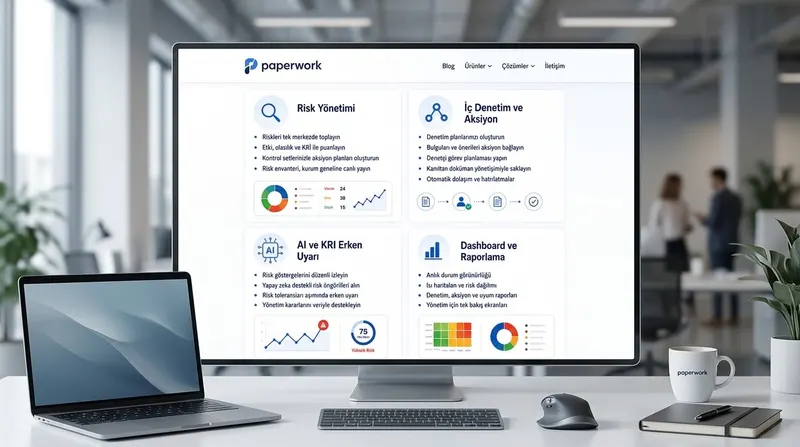
Differences Between a Company That Uses a BPM Workflow Application and One That Does Not

When we compare a company that uses a BPM workflow application with one that does not, a number of differences and advantages emerge.
Process Efficiency: A company using BPM applications benefits from streamlined and optimized processes. By enabling process automation, standardization, and monitoring, BPM applications increase efficiency, reduce manual errors, and help tasks get done faster. A company without BPM applications, on the other hand, has to run processes manually and without automation, which leads to lost time, a higher chance of errors, and inconsistency.
Visibility and Transparency: BPM applications provide real-time visibility into process performance and analytics. This lets the company track key metrics, identify bottlenecks, and make data-driven decisions to improve and develop processes. A company without a BPM application has limited ability to monitor process performance, which makes it harder to spot areas for improvement and optimize operations.
Collaboration and Communication: BPM applications usually include collaboration features such as document sharing, task assignment, approvals, and joint work. This encourages better teamwork, enables efficient collaboration among team members, and makes effective communication between departments easier. In a company without BPM applications, collaboration and communication rely on traditional methods (email, phone calls, face-to-face meetings, paper forms), which leads to a less efficient and slower process.
Process Standardization and Compliance: BPM applications make it possible to standardize processes according to requirements. This ensures tasks are performed consistently, reduces errors, and ensures compliance with regulatory standards. A company without BPM applications has processes that vary between teams or departments, leading to inconsistencies, compliance risks, and difficulty ensuring process conformance.
Scalability and Adaptability: BPM applications scale with the company's growth and make it easier to adapt to changing business needs. They make it possible to change processes, add new process steps, or update rules easily. By contrast, a company without BPM applications struggles to scale processes effectively and adapt to changing business requirements.
Continuous Improvement: BPM applications support process analysis, monitoring, and improvement functions. A company using BPM applications can use the results of process analysis to identify areas for improvement, implement changes, and continuously optimize operations. A company without BPM applications has limited tools to analyze processes and finds it hard to identify improvements effectively.
In conclusion, a company using BPM applications gains advantages such as greater process efficiency, more visibility, smooth collaboration, standardized processes, scalability, and continuous improvement capabilities. These advantages lead to higher productivity, cost savings, and a better customer experience. Compared with companies that do not use BPM applications, they provide a competitive advantage.
Would you like to see PaperWork in your organization?
Request a Demo