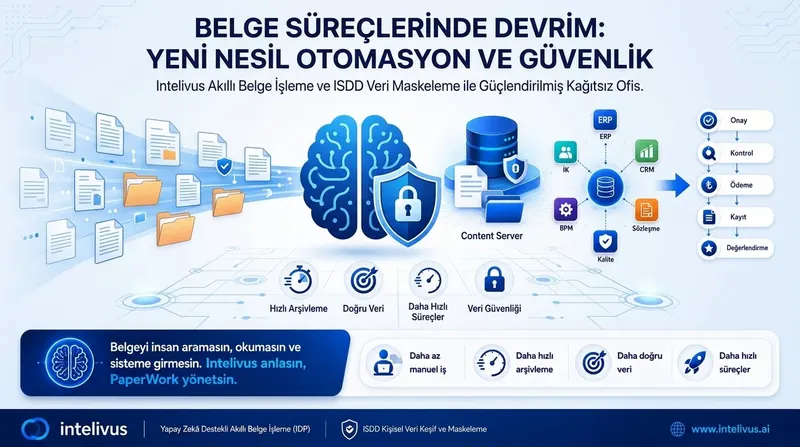
In Manufacturing, Document Creation and Management Matter as Much as Processes

In manufacturing, document creation and storage are just as critical as processes. Companies with facilities in multiple locations must comply with many rules and standards throughout year-round production. Customer requirements grow every year, increasing the number of processes and documents that need to be managed. Much of the transparency and compliance challenge companies face comes from creating technical documents such as hundreds of pages of material documents, product drawings, internal procedures and quality documents. Products manufactured without a complete set of technical documents cannot pass audits and customer acceptance. These documents are usually edited and updated continuously over projects lasting from six to 24 months.
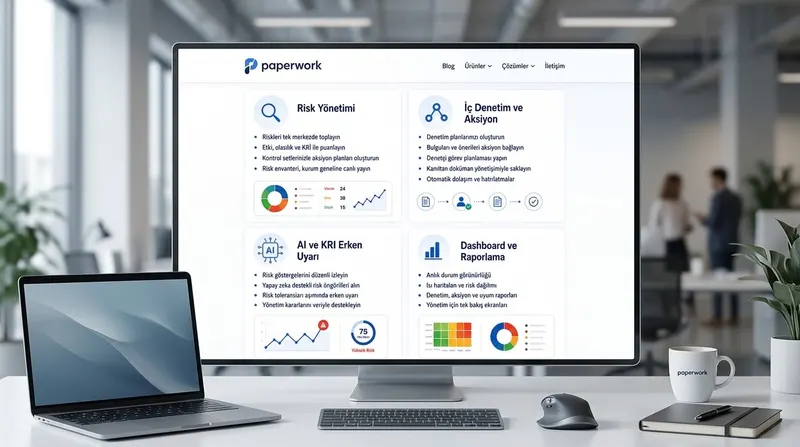
For companies with many employees and departments, managing this process can be difficult. Moving to a document management system such as PaperWork to bring transparency to operations and comply with strict manufacturing standards makes things easier. Having technical documents ready on time and meeting customer requirements should be the main focus.
To achieve company-wide transparency, employees, departments and facilities need to be informed about the status of pending projects and the documentation of the materials being produced. With PaperWork, companies reach this goal easily: all product-related documents are stored in a central digital archive. Order status reports are generated to identify production delays, and field employees are given mobile devices so they can respond instantly to time-sensitive production tasks. For example, the company uses advanced mobile forms to make sure various measuring instruments are calibrated regularly and can track all devices through the calibration control process. When a test device approaches its calibration date, the system also automatically sends a reminder email, assigns a task and ensures a specialist calibrates the device, preventing production delays and problems caused by defective production.
Depending on standards and customer requirements, there are between 150 and 300 different document types, varying by industry. Managing these different document types together with processes increases transparency across the company. For example, PaperWork prepares the list of required documents by creating checklist templates that easily identify the documents needed to fulfill a customer order. This ensures the order is processed quickly and without errors. The system also makes sure suppliers provide the required documents when materials are delivered: it monitors the receipt of materials entering facilities, compares incoming materials against the existing material document list, and creates a daily to-do list to collect missing documents, assigning tasks to the relevant people.
Thanks to these operations, customer satisfaction increases significantly and the negative effects of document delays are minimized.
Sources
https://dergipark.org.tr/tr/download/article-file/3488966
https://www.ibm.com/think/topics/digital-workflow
https://www.ibm.com/think/topics/process-optimization
Would you like to see PaperWork in your organization?
Request a Demo